Claude Code Subagents: What They Actually Cost, Where to Keep Them, and When They Stop Working
I measured 858 subagent runs on my own machine and the result moved my attention somewhere else entirely: 94.4% of the tokens are re-read context and …
Skills, CLAUDE.md, MCP and agents: how you actually work with Claude inside a company, from someone who uses it every day for consulting.
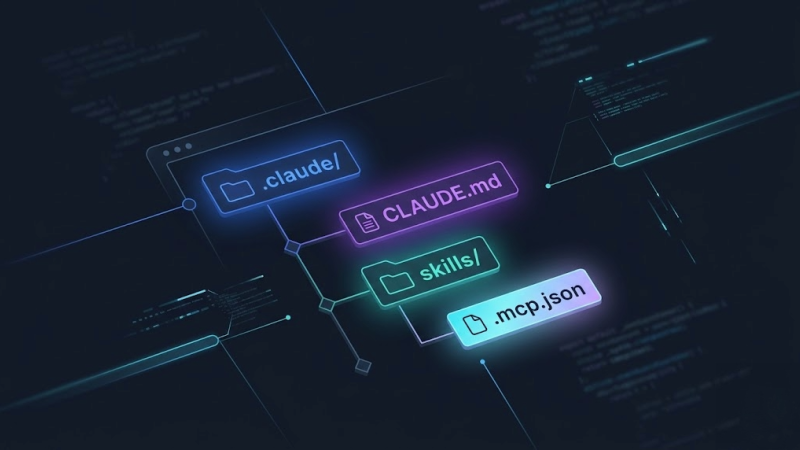
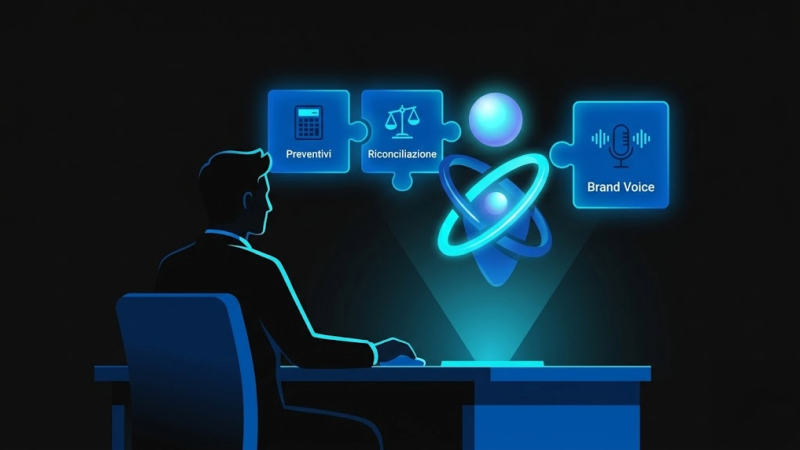
Claude Code is not an editor with autocomplete: it is a collaborator that reads your repository, follows the rules you write for it and uses the tools you give it. The practical difference comes down to three things. Skills, which are procedures written once and reused forever. The CLAUDE.md file, which is the context the agent reads before doing anything. And MCP, the protocol it uses to talk to your systems instead of to thin air.
These articles are the log of how we actually use it for consulting work, mistakes included. They are not reviews: they are configurations, checks and limits found in the field. They are also the part of the blog that brings the most technical readers, which is why you will not find a sales pitch at the bottom: you will find the code.
15 articles in this topic, updated 06 Sep 2026
I measured 858 subagent runs on my own machine and the result moved my attention somewhere else entirely: 94.4% of the tokens are re-read context and …
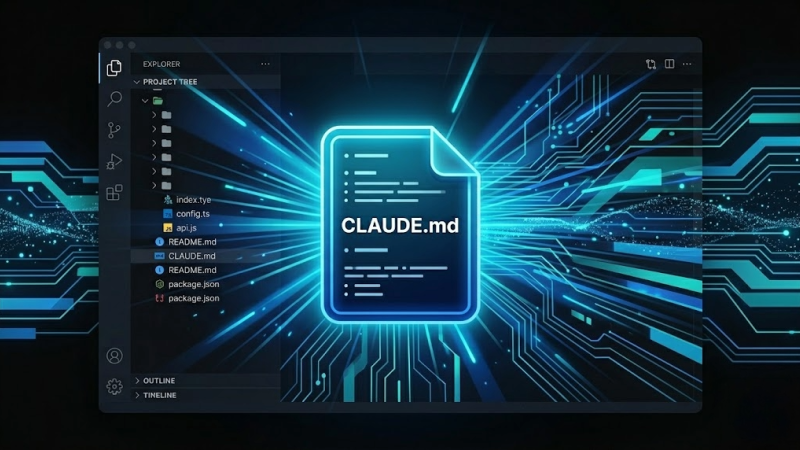
A rule written in CLAUDE.md is advice: the model can ignore it, and the day it does it will not tell you. A hook is where that rule becomes a constrai…
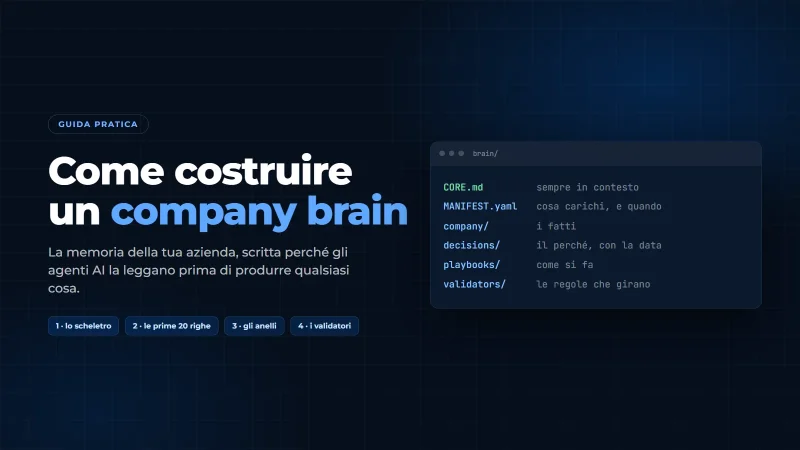
Context engineering for one project is a CLAUDE.md. For a whole company it is a different problem: shared context across repositories, selective loadi…
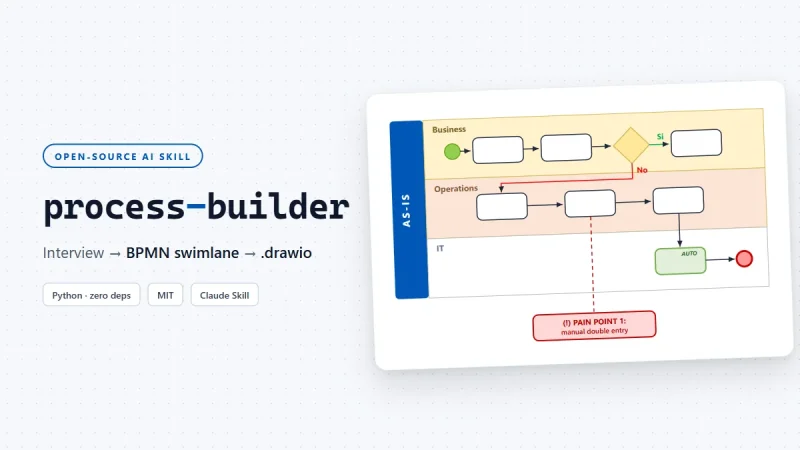
We open-sourced the method we use to map our clients' processes: process-builder is an AI skill that interviews you (who does what, when, with which t…
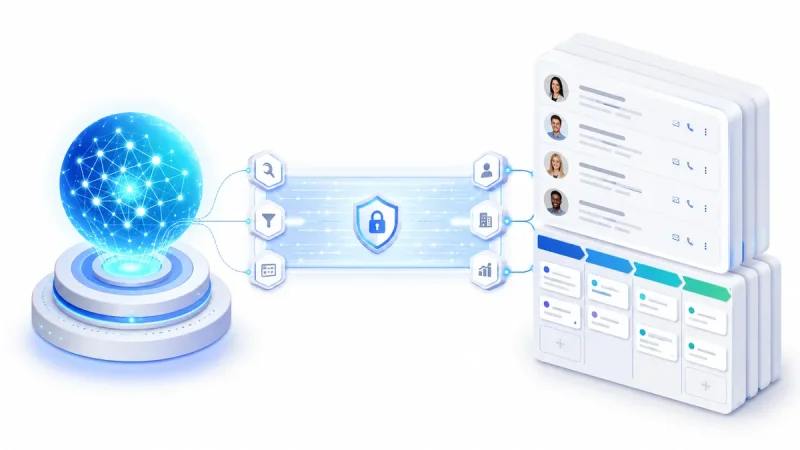
An MCP server connects Claude and AI agents to your CRM: read the pipeline and update deals in plain language. A hands-on guide with real code, a safe…
Claude Code can speed up software development, but only if it enters a controlled process. Here are the 7 controls I use to turn AI from a shortcut in…
Most read
If you are explaining the same things to Claude every time you open a new session, you are wasting time. The solution is called CLAUDE.md, and most pe…
Most read
Every time you open a new session with Claude, it starts from zero. It does not know how you work, does not know your project, does not remember anyth…
Most read
Claude Code is Anthropic's command-line interface for using Claude directly in the terminal, integrated with your development environment. It is not a…
Most read
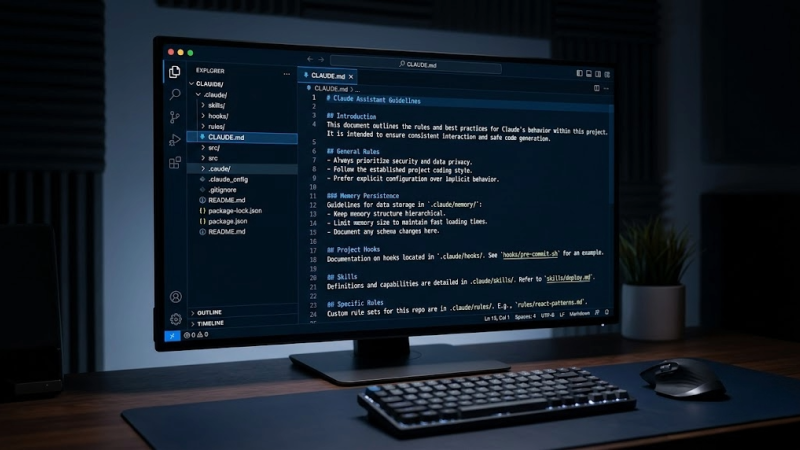
The structure of a Claude Code project in VSCode determines how well Claude understands your project, how reproducible behaviors are across sessions, …
Most read
A Claude Code skill is a file of structured instructions that Claude executes on request, invoked with a command like /skill-name. It allows you to sa…
In October 2024 Anthropic published the Model Context Protocol specifications. Within months, OpenAI, Google, and practically every relevant player in…
Most read
You've probably already heard about Claude Code skills. Maybe you've read something about them, maybe you've seen someone using them, but you haven't …
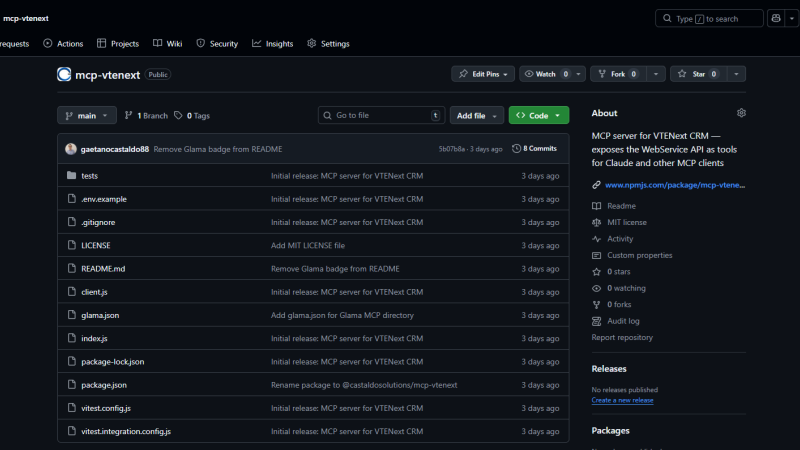
An MCP server for VTENext is middleware that exposes the CRM's APIs as tools usable by Claude and other LLMs compatible with the Model Context Protoco…
Most read
When Anthropic introduced skills for Claude Code in October 2025, few understood immediately what was happening. It was not a feature: it was a protoc…
The two topics closest to this one
Skills and MCP servers are the parts. Once you put them together and let them work on their own, the problem becomes a different one: trust.
Open the topicHere is how you steer the agent. There is what happens to the code it writes, when it has to hold up in production.
Open the topicSkills, MCP servers and the projects we use every day live in the Open Lab, with the code in plain sight.
Go to the Open LabOpen code, no sign-up